Thinking about selling in Sandy and wondering which staging updates are actually worth it? You are not alone. With buyers ranging from commuters on I-15 and TRAX to outdoor lovers who value mountain light and patios, the right choices can help you sell faster and for more. In this guide, you will learn which upgrades tend to pay off in Sandy, how to tailor your plan by price tier, and a simple framework to measure your return. Let’s dive in.
What Sandy buyers respond to
Sandy attracts a mix of buyers who expect clean, move-in-ready spaces with thoughtful design details. Many prioritize updated kitchens, natural light, easy outdoor access, and organized storage. If your home highlights those strengths, you can stand out in online photos and in person.
Seasonal patterns matter. Spring and summer bring strong activity, and ski season adds interest for lifestyle buyers. When inventory is tight, smart staging can speed up your sale and spark multiple offers. In softer moments, staging helps you maintain price and reduce days on market.
Price tier expectations vary. Entry-level buyers tend to be price sensitive and focus on function. Mid-market shoppers balance design and updates. Higher-end listings benefit from polished staging, premium finishes, and clear emphasis on views and outdoor living.
High-ROI staging moves in Sandy
- Fresh, neutral paint. A light, neutral palette brightens rooms, hides wear, and helps buyers picture themselves in the space. It is one of the most reliable, low-cost ways to lift perceived value.
- Declutter, deep clean, and fix small issues. Remove personal items, clear surfaces, and address visible repairs like caulk, grout, and loose hardware. This increases buyer confidence and improves photos.
- Professional listing photos and virtual tours. Most buyers start online. Clean, staged rooms with great lighting drive clicks and showings.
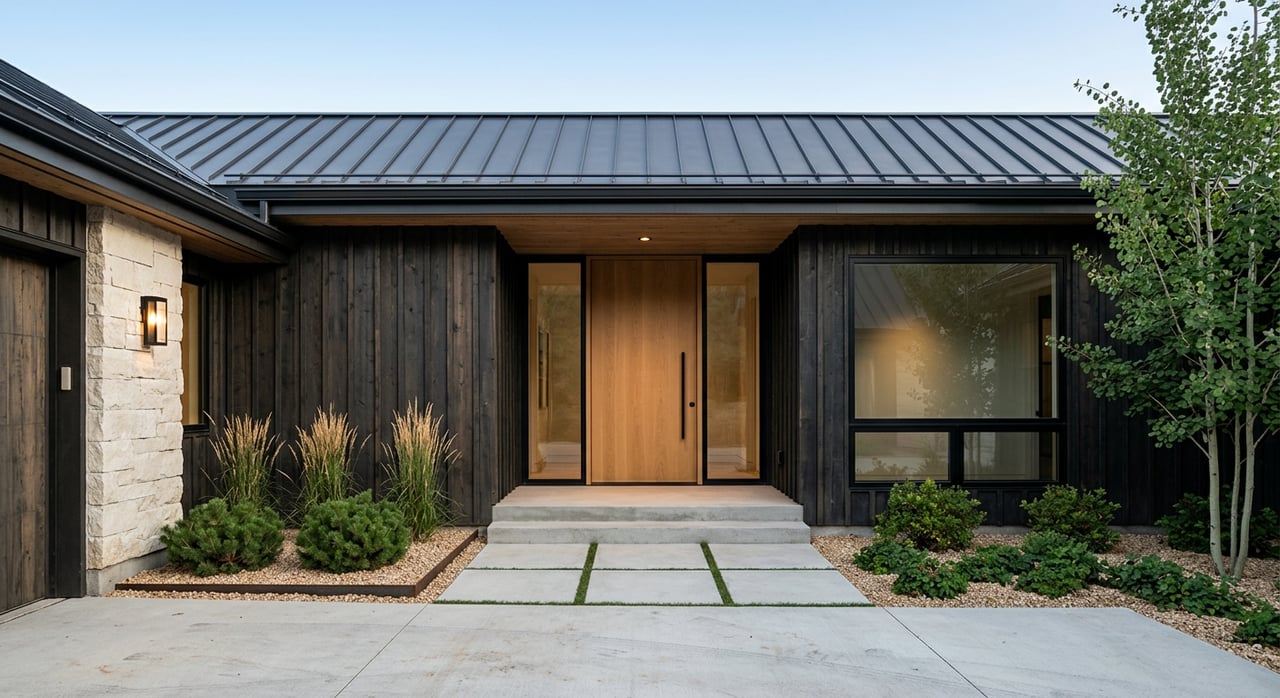
- Curb appeal refresh. Tidy landscaping, a clean walkway, and a painted front door set the tone in a suburban market like Sandy. First impressions matter, especially where outdoor living is a draw.
- Lighting updates. Replace dated fixtures and use brighter, consistent bulbs. Good lighting makes rooms feel larger and more current in photos and in person.
- Key-room vignettes. Stage the living room, primary bedroom, and kitchen or dining area with scaled furniture, simple styling, and layered light. These rooms carry the most emotional weight.
- Outdoor living staging. Style the front porch and patio or deck with simple seating and planters. Buyers in Sandy value fresh air and evening light, so show how your yard extends usable living space.
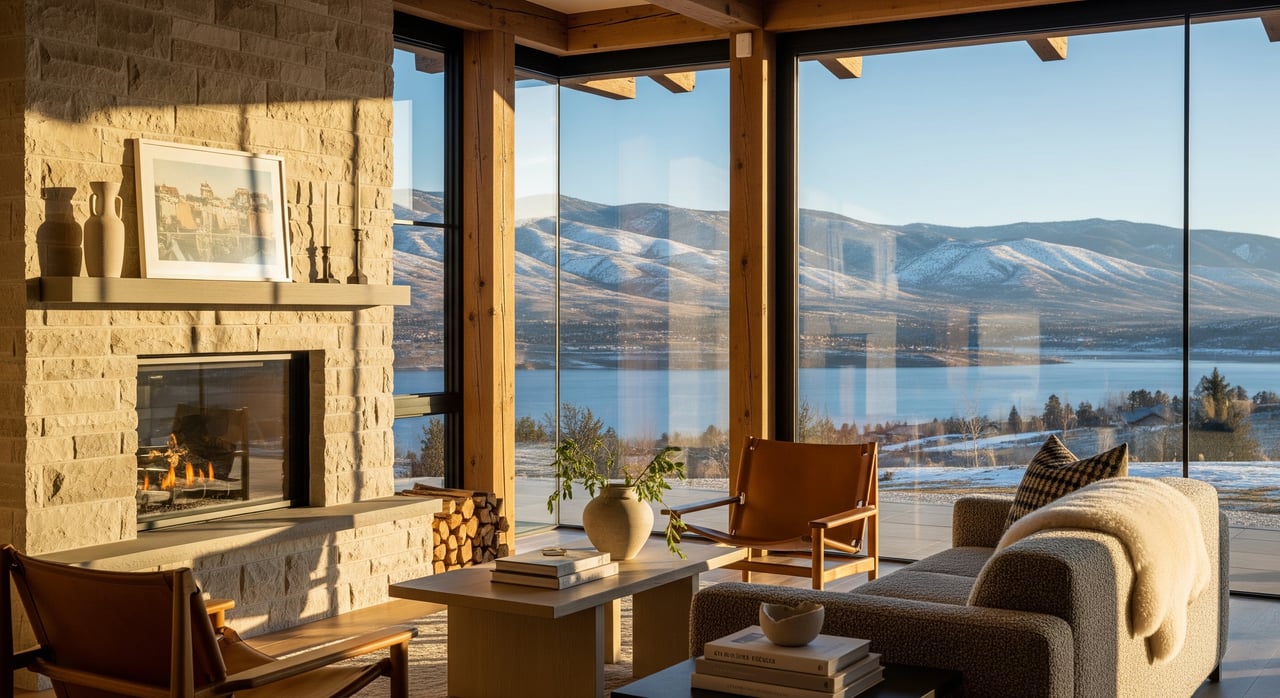
- View and natural light optimization. Clean windows, use lighter window treatments, and orient seating toward views. The Wasatch backdrop is a selling feature, so make it easy to see.
- Storage and mudroom presentation. Tidy closets, show clear garage zones, and stage a functional entry or mudroom. Organization signals day-to-day ease, which resonates with many local buyers.
Medium-ROI, good if budget allows
- Targeted kitchen refreshes. Update hardware, add a clean backsplash, modernize pendants, or paint cabinets when appropriate. Cosmetic changes help without the cost of a full remodel.
- Flooring fixes. Deep clean carpets, refinish scratched hardwoods in visible areas, or replace a worn runner. Small improvements go a long way in photos and showings.
- Window treatments and textiles. Light-filtering shades, neutral drapery, and fresh bedding can boost the feel of key rooms while showcasing light.
- Professional consult with DIY follow-through. A designer-guided plan helps you avoid unnecessary spending and focus on the highest impact.
Low or situational ROI
- Full kitchen or bath remodels. These can be costly and time consuming. For a near-term sale, targeted cosmetic upgrades and staging usually perform better. Consider larger remodels only if you are repositioning to a higher price point and competing homes are fully updated.
- Major structural changes. Adding square footage or moving walls rarely pays for a quick sale.
- Over-staging. Too much furniture or highly personalized art can distract buyers and confuse the flow.
Room-by-room staging priorities
Kitchen
Keep counters mostly clear and style with a few tasteful items. Update hardware and lighting if dated, and ensure appliances look clean and consistent. A simple island vignette or dining setup shows scale and daily use.
Living or family room
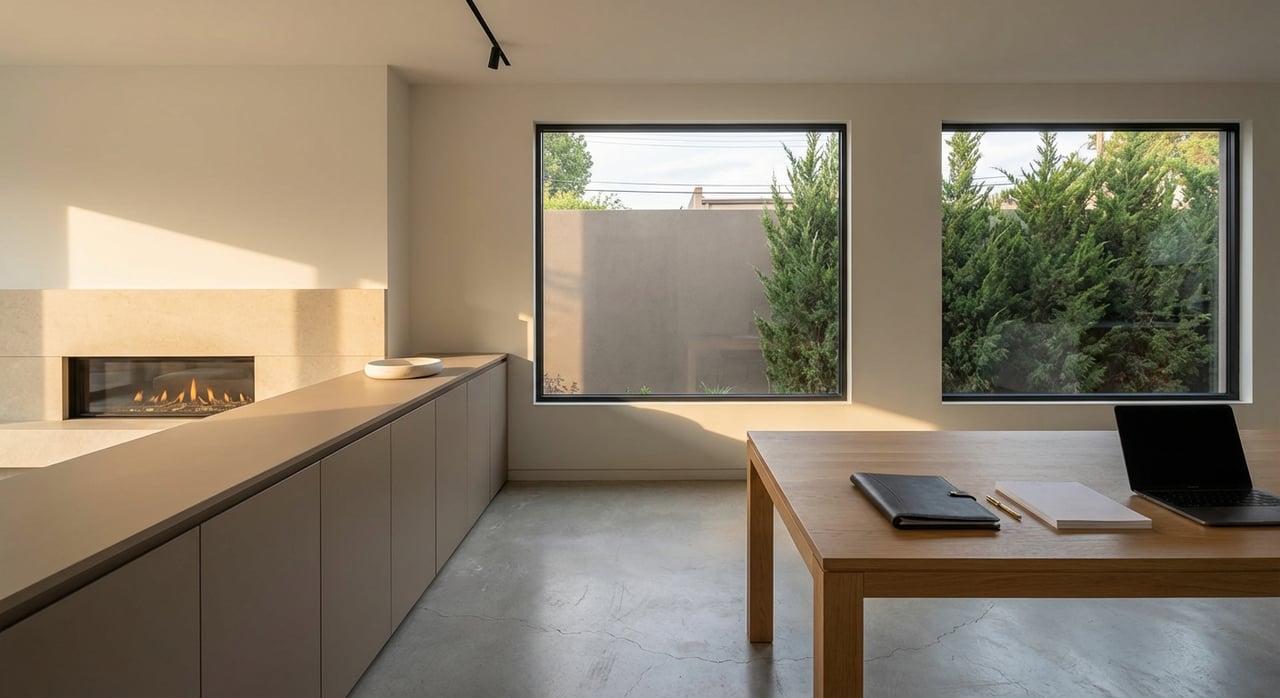
Use scale-appropriate seating to create an easy conversation area. Highlight the focal point, such as a fireplace or the view, and keep pathways open. Layer overhead lighting with floor or table lamps to warm up photos and evening showings.
Primary bedroom
Choose neutral bedding and simple textiles to convey calm. Add matching nightstands and lamps, and stage closets to show space with partial hanging and baskets. This is a retreat, so aim for clean and restful.
Outdoor spaces
Sweep and power wash as needed, then add a small seating zone with outdoor-safe cushions and a planter. Clean the grill and remove clutter. Show the patio or deck as an extension of the living room.
Entry and mudroom
Place a bench, a few hooks, and hidden shoe storage. Keep mail and gear out of sight. This signals organization for daily routines.
Bathrooms
Use fresh white towels, neutral bath mats, and clear counters. Re-caulk and re-grout where needed. If fixtures are dated, replace the most visible ones for a quick lift.
Stage for photos and for showings
Photos first
Brighten rooms, remove excess furniture, and capture angles that show natural light and flow. Feature the best view line in key shots.
In-person experience
Test lighting at different times of day and adjust window coverings to show views. Ensure traffic flow is clear for groups during busy showing windows.
Virtual staging, used carefully
For vacant homes, virtual staging can boost online interest. Always disclose virtual staging in the listing remarks, and pair it with high-quality photography so buyers are not surprised at showings.
A simple ROI framework for Sandy
- Step A: Assess condition. Are you move-in ready with a few cosmetic needs, livable but dated, or in need of major renovation? Cosmetic staging pays best for the first two.
- Step B: Scan the competition. Review 6 to 12 comparable listings in your Sandy neighborhood and price range. Note finishes, staging level, and photography quality, then calibrate your plan to compete.
- Step C: Do a cost-versus-gain check. Use this formula to estimate return: estimated price lift minus staging cost, divided by staging cost. Also weigh carrying costs saved by a faster sale.
- Step D: Prioritize smart moves. Always deep clean, declutter, touch up paint, fix visible faults, and schedule professional photos. If budget allows, invest in curb appeal, lighting updates, and staging for the living room, primary bedroom, and kitchen.
Measure results with practical metrics:
- Days on market before and after improvements
- Showings per week and offers in the first 14 days
- Sale-to-list price ratio and price per square foot versus nearby comps
Even when price gains are modest, a shorter timeline can justify staging by lowering stress and carrying costs.
Budgets, timelines, and staging models
Delivery models
- DIY with expert guidance. Pay for a consultation, then implement the plan using your own pieces plus a few targeted rentals.
- Partial staging. Ideal for occupied homes, where key rooms get scaled furniture and styling while the rest stays minimal.
- Full-service staging. Best for vacant properties, with furniture rental, delivery, styling, and pickup, plus coordinated photography.
Timing and duration
Complete updates, staging, and photos before the listing goes live. A 2 to 6 week staging window often aligns with active marketing and showings.
Living in the home while listed
Store excess furniture, keep surfaces clear, and maintain a showing-ready routine. Use baskets and bins for quick resets between appointments.
HOA considerations
If your neighborhood has an HOA, confirm any exterior changes, yard work constraints, or sign rules before you start.
Quick-start Sandy staging checklist
- Deep clean, declutter, and repair visible issues
- Neutral paint in main living areas and halls
- Simple curb appeal refresh and front door paint
- Upgrade lighting and bulbs for brightness and consistency
- Stage the living room, primary bedroom, and kitchen or dining area
- Style outdoor spaces to show usable seating and mountain light
- Schedule professional listing photos and, if helpful, a short virtual tour
- Track showings, offers, days on market, and sale-to-list ratio
A focused plan helps you spend where it matters most and skip the rest. In Sandy, that usually means neutral paint, clutter-free living, better lighting, welcoming curb appeal, standout photos, and staged key rooms that highlight light and views. If you want a design-forward game plan tailored to your price point and neighborhood, connect with Amanda House for a complimentary consult and free home valuation.
FAQs
Will staging increase my sale price in Sandy?
- Staging often boosts online appeal and can support stronger offers, and while price increases are not guaranteed, it reliably reduces days on market and helps you compete with nearby listings.
Which rooms deliver the best staging ROI in Sandy?
- The kitchen, living or family room, and primary bedroom are your top priorities, with outdoor spaces close behind because many local buyers value fresh air, light, and views.
Is professional staging worth it for my price tier?
- Entry-level sellers often do well with a consult plus DIY, while mid to higher price points benefit more from partial or full-service staging to meet buyer expectations.
Should I remodel my kitchen or bath before listing?
- Large remodels rarely pay off for a near-term sale, and targeted cosmetic updates paired with strong staging usually deliver better ROI unless you are repositioning to a higher tier.
Does staging affect the appraisal or inspection?
- Staging influences buyer perception and demand, which can affect offers, while appraisals rely on comparable sales and condition, so staging supports the sale story but does not change the home’s core features.